
Black History Month: Building Workplaces Where Equity Lives Year-Round

Black History Month is a time of recognition, reflection, and responsibility. While the month honors the contributions and resilience of Black communities, it also invites employers to examine how equity is experienced in the workplace today.
Equity is not achieved through statements alone. It is built through systems — hiring practices, promotion pathways, pay structures, and leadership accountability.
Title VII of the Civil Rights Act of 1964 prohibits discrimination based on race, and the Equal Employment Opportunity Commission (EEOC) continues to enforce protections against harassment, retaliation, and unequal treatment. But compliance alone does not guarantee equity.
Harvard Business Review research consistently shows that inclusion requires intentional redesign of workplace systems. Without that effort, disparities in advancement and representation persist.
People415 encourages organizations to use Black History Month as a moment to assess internal data: Who is promoted? Who is sponsored? Who has access to leadership opportunities? These questions reveal whether equity lives beyond awareness.
Meaningful action includes pay equity audits, inclusive leadership training, and creating psychologically safe environments where employees can speak openly without fear of retaliation.
Honoring Black history in the workplace means committing to equitable futures. Equity must be practiced year-round.
Black History Month is a time of celebration, reflection, and responsibility.
It honors the contributions, leadership, and resilience of Black communities — while also reminding workplaces that equity must be actively built, not passively hoped for.
At People415, we believe inclusion is not a moment.
It’s a system.
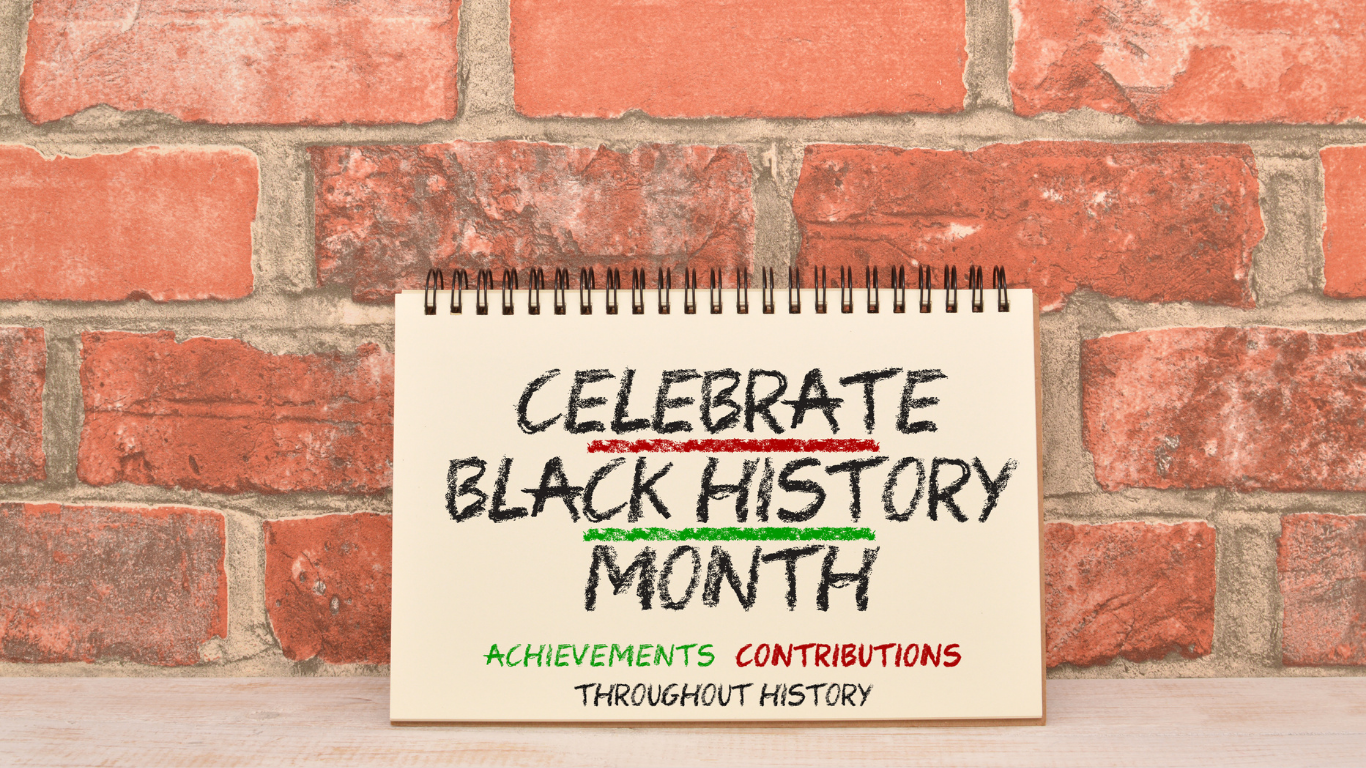
Why Black History Month Still Matters at Work
Workplaces remain one of the most influential environments shaping access, opportunity, and advancement.
Black History Month invites employers to ask:
Who is represented in leadership?
Are advancement pathways equitable?
Are employees experiencing belonging?
Are systems producing fair outcomes?
Harvard Business Review emphasizes:
“Inclusion requires redesigning workplace systems, not just celebrating diversity.”
— Harvard Business Review, Equity and Leadership Research
Legal Foundations: Anti-Discrimination Protections
Equity is not only cultural — it is legal.
Title VII of the Civil Rights Act prohibits discrimination based on race:
Employers may not discriminate with respect to compensation, terms, conditions, or privileges of employment.
— Title VII, Civil Rights Act of 1964
Employers must ensure policies and practices protect employees from:
Discriminatory hiring
Unequal pay
Harassment
Retaliation
The EEOC notes:
“Race discrimination involves treating someone unfavorably because of race or personal characteristics associated with race.”
— EEOC.gov
Moving Beyond Celebration Toward Action
Meaningful workplace equity work includes:
Pay equity audits
Sponsorship and mentorship access
Bias-resistant hiring systems
Psychological safety practices
Leadership accountability
People415 Best Practice: Equity as Culture + Compliance
Organizations that lead with equity build stronger:
Engagement
Retention
Reputation
Innovation
Equity is a workplace strength.
Black History Month reminds us that honoring history must include shaping the future.
People415 partners with organizations to build workplaces where equity is lived — every month of the year.
Sources
Title VII Civil Rights Act
EEOC Race Discrimination Guidance
Harvard Business Review Inclusion Research