
Should Employers Recognize Juneteenth in the Workplace?
Direct Answer
Yes, employers should recognize Juneteenth thoughtfully and intentionally, but meaningful recognition goes beyond a company announcement or social media post.
The most effective organizations use Juneteenth as an opportunity to strengthen employee understanding, promote inclusion, and evaluate whether workplace opportunities align with organizational values.
Why Does Juneteenth Matter in the Workplace?
Juneteenth commemorates June 19, 1865, when enslaved people in Texas learned of their freedom more than two years after the Emancipation Proclamation was issued.
For employers, Juneteenth is not simply a historical observance.
It is an opportunity to reflect on how organizations create equitable access to opportunity, leadership development, and workplace belonging.
Employees increasingly expect organizations to demonstrate that inclusion is more than a statement.
They want to see how values show up in everyday decisions.
That expectation extends to:
● Hiring
● Promotions
● Leadership development
● Employee recognition
● Workplace culture
Recognition without action often feels performative.
Action without communication often goes unnoticed.
Strong organizations connect both.
What Employers Need to Know
Many employers struggle because they are worried about "getting it wrong." - I.e., saying the wrong thing or not saying enough.
The reality is that employees are not looking for perfection. Rather,
They are looking for authenticity.
Organizations that successfully recognize Juneteenth often focus on:
● Education
● Employee voice
● Community engagement
● Leadership participation
● Long-term commitment
The conversation should not be:
"What should we post?"
The conversation should be:
"What does this observance teach us about leadership and opportunity?"
That shift changes everything.
Common Mistakes Employers Make
One common mistake is treating Juneteenth as a standalone event rather than considering how it connects to broader workplace initiatives related to inclusion, employee development, and belonging throughout the year.
Another challenge is relying exclusively on employee resource groups to plan and lead recognition efforts. While employee input can provide valuable perspectives, visible leadership support and participation help demonstrate that these efforts are an organizational priority.
Organizations may also miss an opportunity for meaningful engagement when messaging focuses solely on celebration without acknowledging the historical significance of Juneteenth. Incorporating historical context can promote greater awareness, understanding, and thoughtful dialogue among employees.
What Does Meaningful Recognition Look Like?
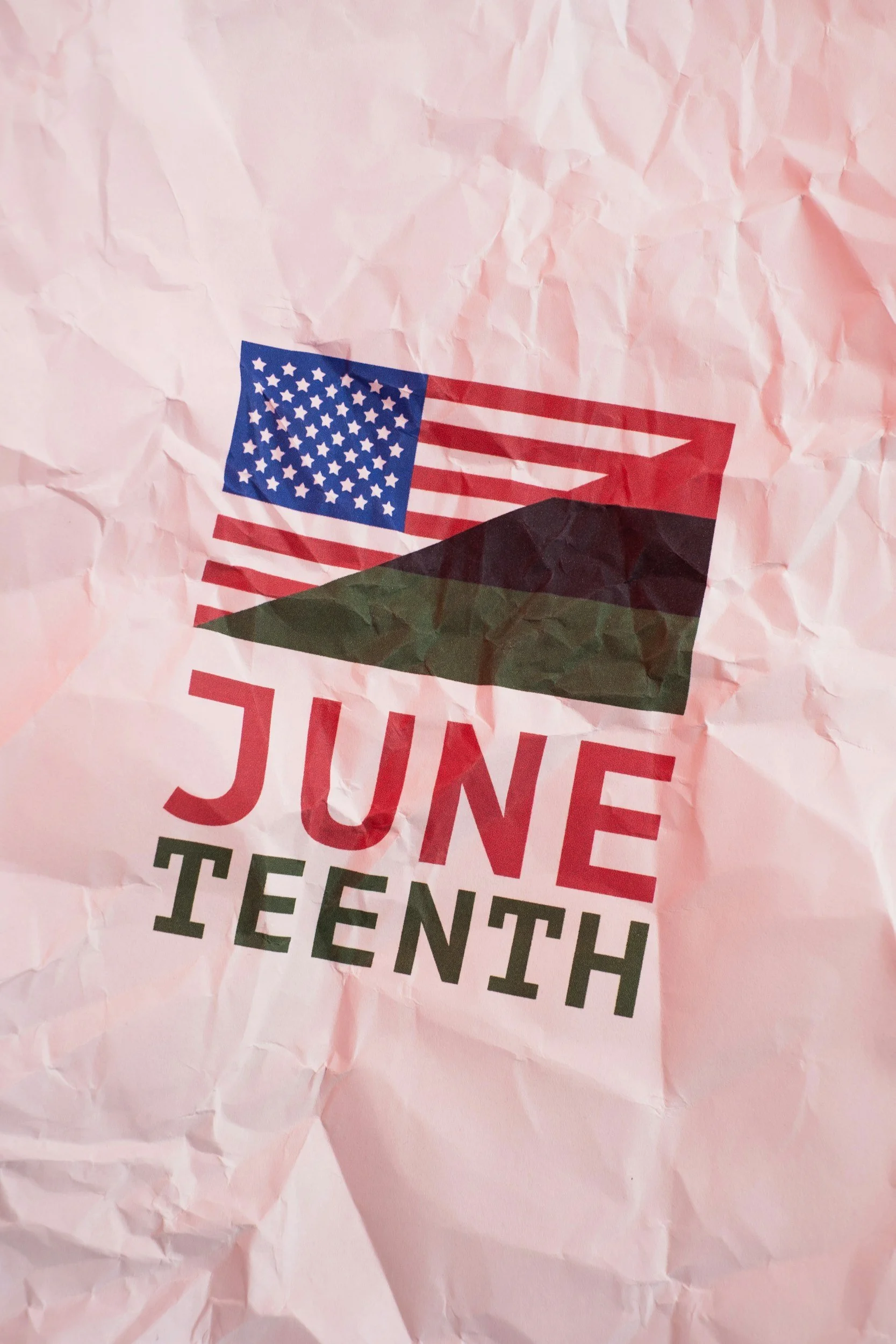
Meaningful recognition can take many forms depending on an organization's culture and resources. Examples include:
● Hosting a voluntary lunch-and-learn discussing the history and significance of Juneteenth.
● Sharing educational resources, such as articles, videos, or podcasts, through internal communication channels.
● Encouraging leaders to facilitate conversations about inclusion, belonging, and employee experiences within their teams.
● Organizing a volunteer opportunity with local community organizations focused on education, economic empowerment, or civic engagement.
● Reviewing internal data related to hiring, promotions, retention, and professional development opportunities to identify potential areas for improvement.
● Highlighting existing mentorship, leadership development, or sponsorship programs that support employee growth and advancement.
The most effective recognition efforts align with an organization's values and are integrated into broader people strategies, rather than functioning as a standalone campaign.
When Should Employers Get Help?
Organizations should seek guidance when:
● Leaders are unsure how to communicate appropriately.
● Inclusion initiatives feel disconnected from business strategy.
● Employee feedback suggests a lack of belonging.
● Representation concerns emerge in leadership pipelines.
These moments often signal opportunities for broader cultural alignment.
Expert Insight
At People415, we often remind leaders that inclusion is not measured by observance calendars.
It is measured by employee experience.
Employees pay attention to:
● Who receives opportunities.
● Who receives visibility.
● Who receives development.
● Who feels heard.
Juneteenth provides an opportunity to examine those questions honestly.
The strongest organizations use observances as moments of reflection, not simply recognition.
Final Thought
Juneteenth is ultimately about freedom, opportunity, and progress.
For employers, it provides a valuable reminder that workplace culture is built through everyday decisions, not annual statements.
Organizations that approach Juneteenth thoughtfully create stronger trust, deeper engagement, and more authentic workplace cultures.
Because meaningful inclusion is not something employees read about.
It is something they experience.
Sources
● National Museum of African American History & Culture
● U.S. Equal Employment Opportunity Commission
● Society for Human Resource Management (SHRM)
● Harvard Business Review Diversity & Inclusion Research
● McKinsey Diversity Matters Reports